Health, Nutrition & Healing: Part 1 of 3
Healing From Injury, A Multi-Step Process
I tore my MCL and meniscus last February, it was the end of a ski day.. I finally got in for surgery yesterday, after a long time of deliberating whether I was actually going to do it. I almost opted out because I had heard so much conflicting information about whether it was necessary. The short-term hit to my quality of life felt huge, and I was functioning really well; it was just sore, somewhat impacting my sleep and, most importantly, susceptible to reinjury. By April, only a couple months after the injury, I was running 5k and back to squatting and deadlifting about 145 lbs. By July I hit a 200 lb trap bar deadlift. In October I ran my fastest 10k at a 6.41km pace, and on that same run, I broke my 5k and 1k personal speed records.
I credit that recovery to my physio and my incredible gym coach, who built thoughtful rehab programming. Even so, surgery still ended up being the right next step. I have big ambitions for this summer and need my knee to be strong and reliable.
Thinking About Nutrition While Recovering
As I eased into recovery again, I started thinking about health and nutrition, since healing depends on both. A few weeks before the surgery I had blood work done and learned that my B vitamins were low. My iron and hemoglobin were also low. My doctor told me to take more B, iron and protein, which was surprising because I am a moderately athletic person and I already do all of that. I eat more than 100 grams of protein a day, and supplement iron daily - yet I am still dealing with hair loss, which is often linked to iron deficiency. Iron deficiency can also impact hemoglobin, but it felt like a bit of a mystery, so it made me curious! We should all be curious about our health.
I had recently added beef liver into my supplement routine and worried I might be taking too much. It turned out the problem was not the amount, it was the timing. I learned yesterday, while lying on the couch post-surgery, that iron is best absorbed when taken every second day. Taking it daily causes a spike in hepcidin, the hormone that controls iron absorption. Hepcidin stays elevated for about 24 hours and signals the gut to stop absorbing iron. So the more often I took iron, the less I absorbed. My new routine will be beef liver one day and iron the next.
Nutrition Is Everywhere Now, but Harder Than Ever to Navigate
Health and nutrition are becoming bigger topics, which is good. We need to talk about them, but it can also feel overwhelming. How are we supposed to know all of this? Many of us never learned real nutrition in school. We learned the food pyramid which we now know was not designed with genuine health or modern research in mind. Add in marketing, labels and “high protein” garbage food everywhere and sorting out what is actually healthy becomes difficult.
This is a hobby for me. I genuinely enjoy thinking about my health and adjusting what I eat as I move through different seasons of my life. I plan meals, I think about everything I put in my mouth, even if it is junk food and I try to keep things balanced with the knowledge I have. Even so, I still (often) get caught off guard by seemingly simple things like iron absorption.
Not everyone has the luxury or the interest in learning about nutrition. So I plan to share things here that I share in conversation when people ask. These are only my opinions and my experience, since I am not a professional. This post is mostly about my background and how all of this started. My next posts will be about what else I feel is important to consider when it comes to managing health.
Where It Began
My interest in nutrition started when I was about 23 and went to a naturopath for the first time. I was really sick. My nose was always running and congested, I could only breathe through my mouth which was affecting my sleep and I had polyps in my sinuses that could have turned into something more serious. My legs were so dry they often bled from scratching. I struggled with constipation that caused so much pain, I sometimes went to the hospital for laxatives. I had muscle pain and cramping. Then one day, while doing laundry, I bent over and my back locked up. I started cramping and basically said, “what the fuck is wrong with me?”
After talking to my ‘healthy friend’, I went to a naturopath. He did food intolerance testing and sat with me for two hours, teaching me about food quality. I left with a diet plan and a completely new perspective. After that appointment, I walked into Safeway, looked around and started crying from overwhelm. I barely saw any food that felt safe, so much was processed, sprayed with combination pesticides or, raised in less than optimal conditions with an improper diet. I needed to quit coffee, stop eating wheat, eggs and nightshades, amongst other things - which was basically everything I ate. Wheat is also in literally everything.
I bought what I could, then went to a natural food store where I found organic produce and local meat. I went home, poured out my rum and started meal prepping.
The Healing Journey Was Not Linear
I built a new foundation and the next year was full of trial and error. As I cleaned up my diet, my body started to change. Months later, I could breathe through my nose and celebrated by getting a septum piercing (random, I know - it's the small things!). My legs cleared up. My digestion normalized. My pain stopped, so I started exercising. My physique improved. Removing trigger foods allowed my gut and body to heal and the difference was incredible.
That period of my life was riddled with challenges, unfortunately. I moved back to Thunder Bay, had to switch universities in my last year and was caring for my mother. I started to restrict food too much. I had struggled with anorexia as a young girl and with my body shrinking again those old thoughts came back. I was stressed and felt out of control, controlling my food was the only thing I felt that I could do. A while later I started reintroducing different foods slowly, eating more, and then I became bulimic. Again, like restrictive eating, it made me feel like I had control; this was all subconscious. A close friend caught me and helped me through it. I stopped, but the reintroduction of foods still got out of control and I ended up sick again.
Eventually, I went for hospital allergy testing and confirmed what the naturopath told me which was that I was allergic to wheat, eggs and some shellfish. I wavered on my diet for years, denying it, then accepting it, then repeating the cycle.
Finding Balance
When I was about 30, I met my now-husband, who had the most wonderful dog. I broke out in hives every time I went to his house. I did what I knew to do and stopped eating eggs and wheat again. My sinuses and skin cleared up and I could finally tolerate Zoey, which was a relief. To this day, I still eat wheat and eggs occasionally. I ebb and flow, but I listen to my body and I know the signs. If I eat those foods more than once a month, I deal with the symptoms again and need to reset.
After years of trial and error, I know how to manage my very personal diet. Now my hobby nutrition time goes into healthy aging and staying strong for the sports I love.
Coming Full Circle
This injury brought everything back into focus for me. Now that I am working on recovery again, I am paying close attention to the basics. Collagen-rich foods, high protein, leafy greens and lean meats that support healing without causing me to gain fat while I am not training. My goal is simple: protect the muscle I have and make it easier to rebuild what I lose over the next month or two.
Muscle is everything for aging women. It supports and balances metabolism, bone health and injury prevention as we age. It lets us stay active longer and enjoy special moments in life. So nourishing my body properly during recovery is not optional; it is part of the long game, and I believe it should be for everyone. Exercise and proper nutrition is especially important for women who tend to become more frail.
This surgery is forcing me to slow down, but not to step back. I already have ambitious goals lined up such as; deadlifting 200lbs by EO 2026, squatting 185lbs for 5 quality squats, running a 10k race and mountain biking 37k on my birthday. I'll start with the basics though, upper body exercises at the gym, then walking and then I’ll ease into running and weightlifting. Resting is hard, but reframing it as training helps - knowing resting now means being stronger later.
If anything, this injury reminded me why nutrition mattered in the first place. I've kicked off tracking, which will help with not only healing quickly but also gut health and my hair fall as I build a consistent routine.
Nutrition is personal, finding what YOU need is so important and often one health practitioner can't help you - read, talk to multiple experts and learn your health needs. Exercising regularly is key to aging successfully, but that looks different for everyone! When I first started exercising, I was just trying to jog one street block because my asthma was so bad - we all start somewhere and it gets easier!
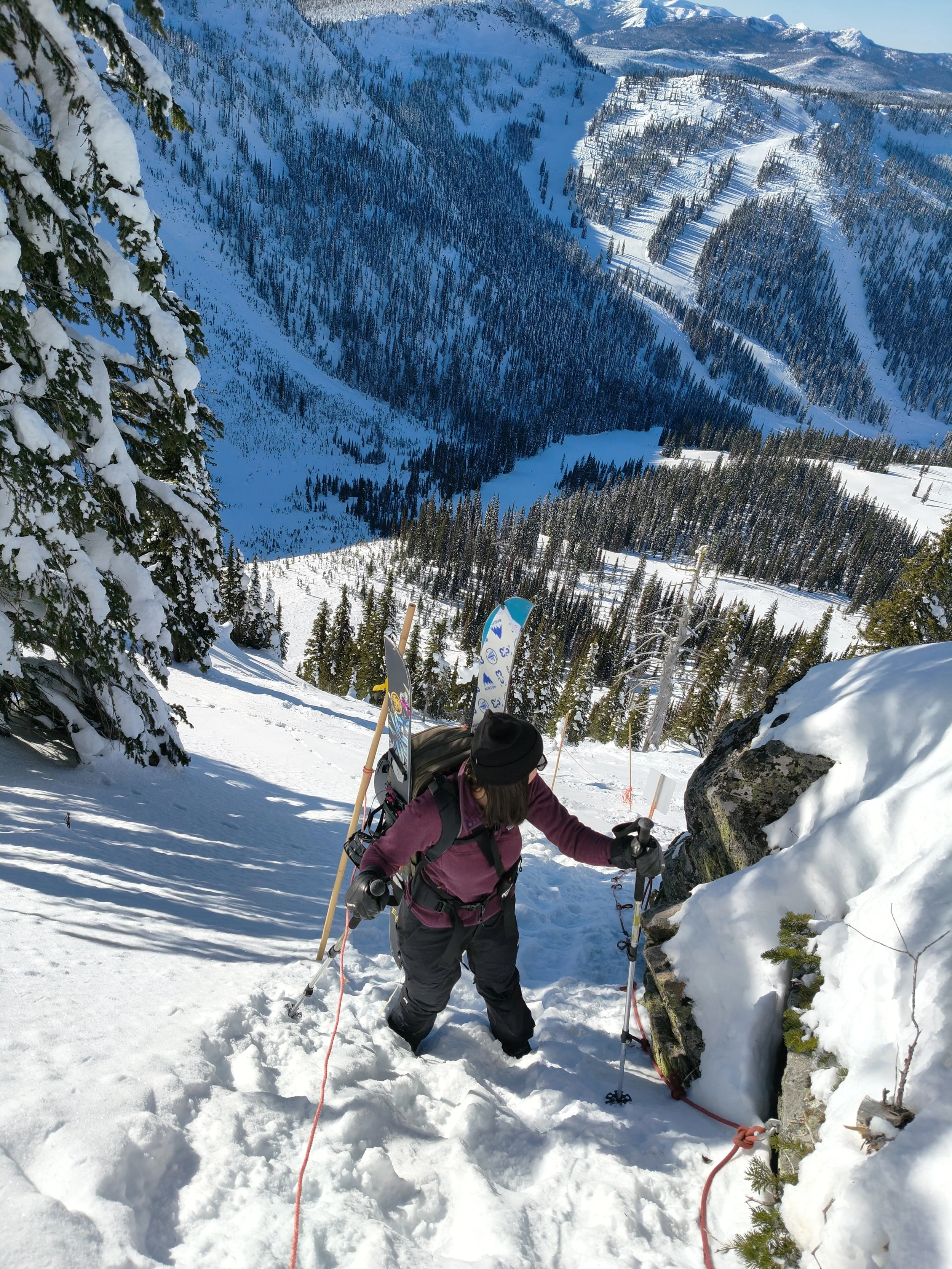
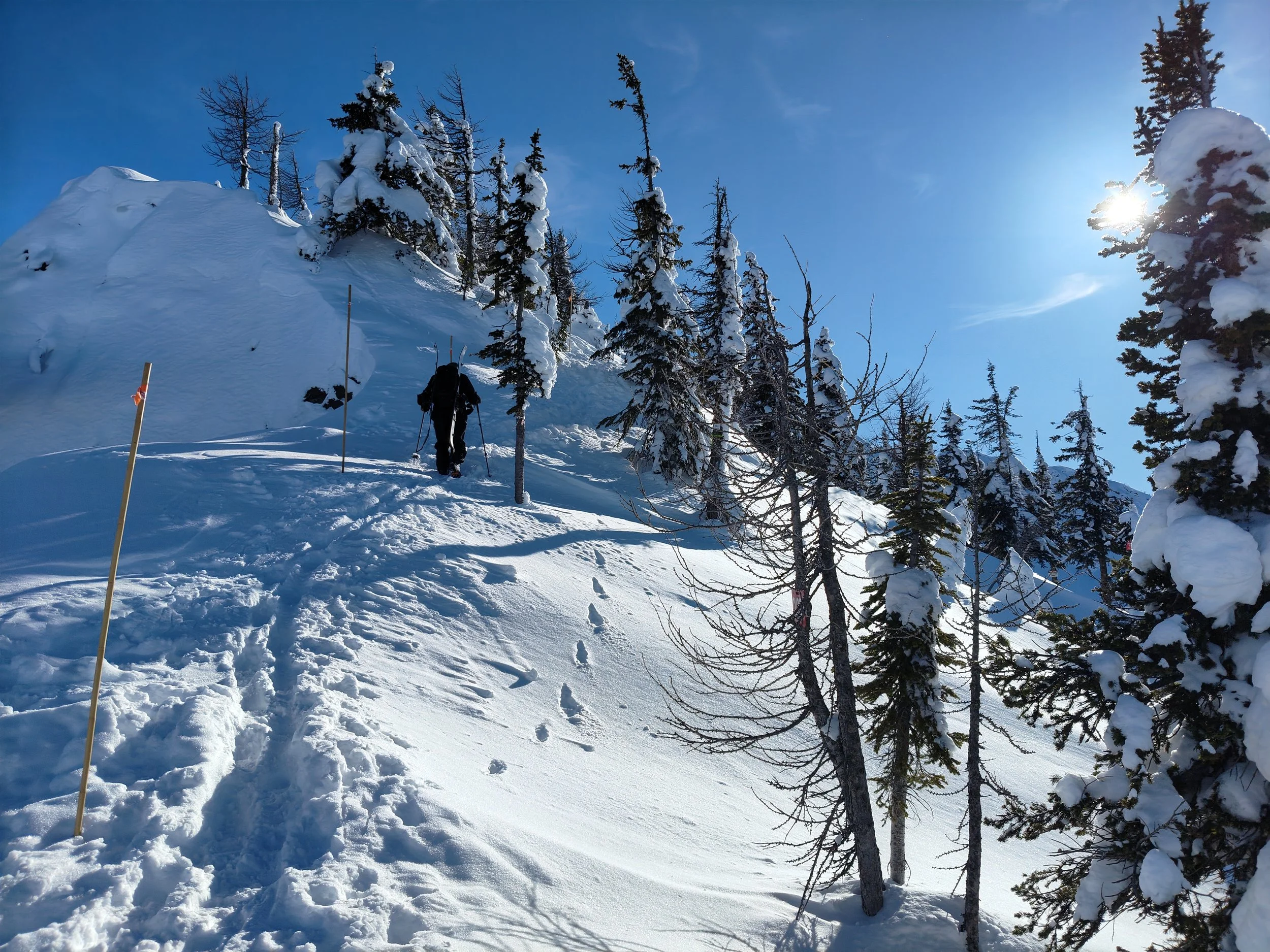
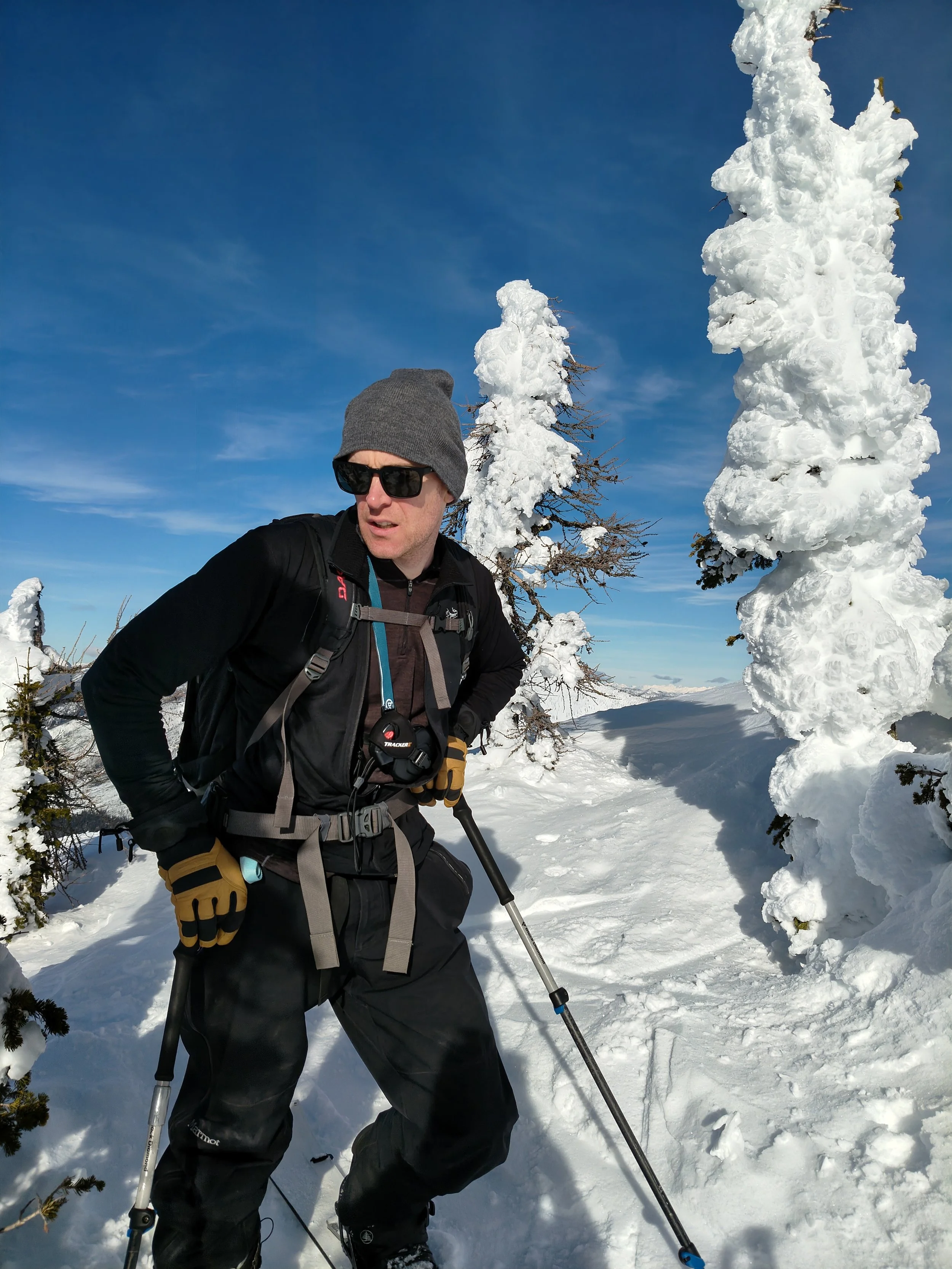
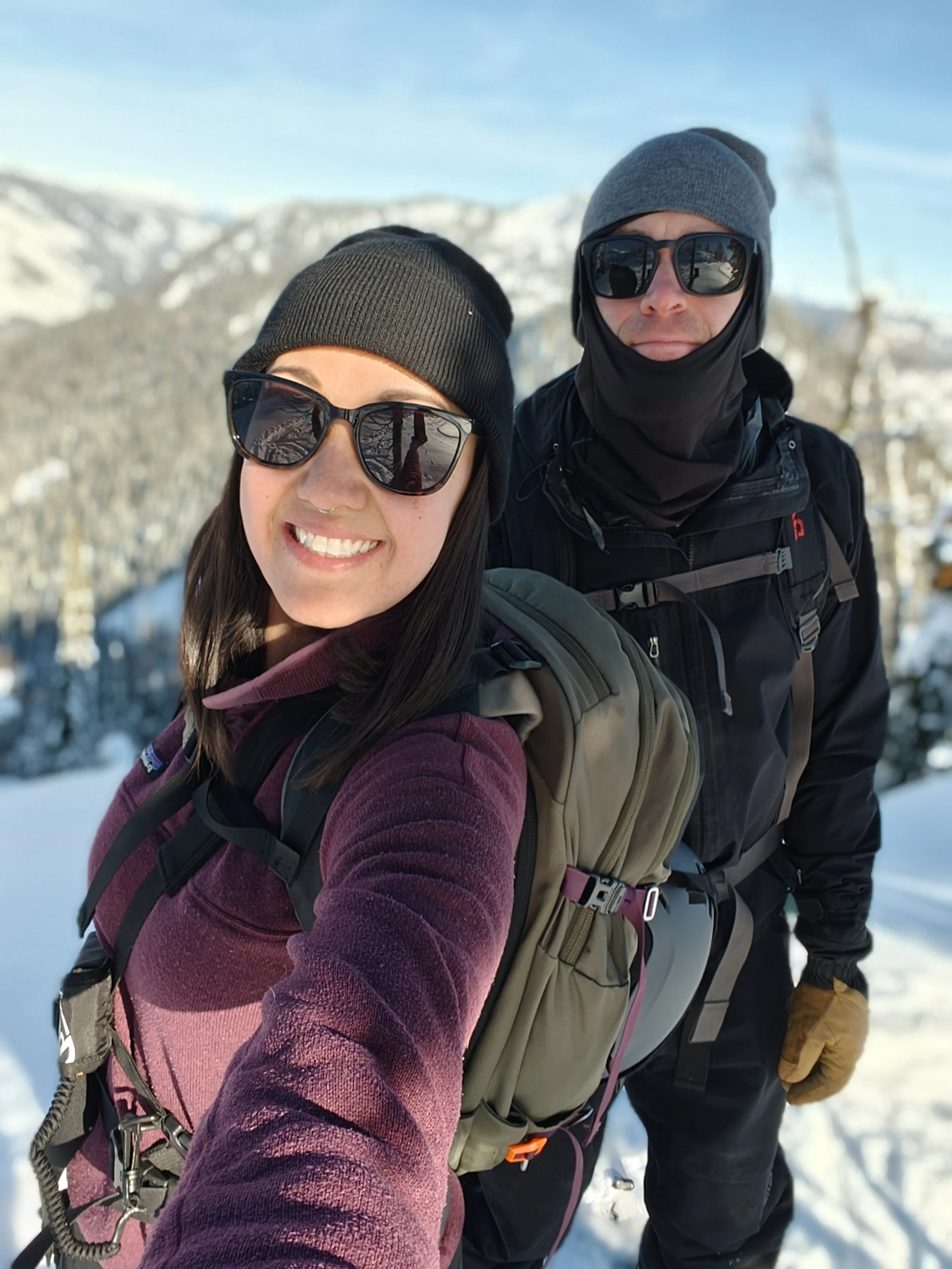
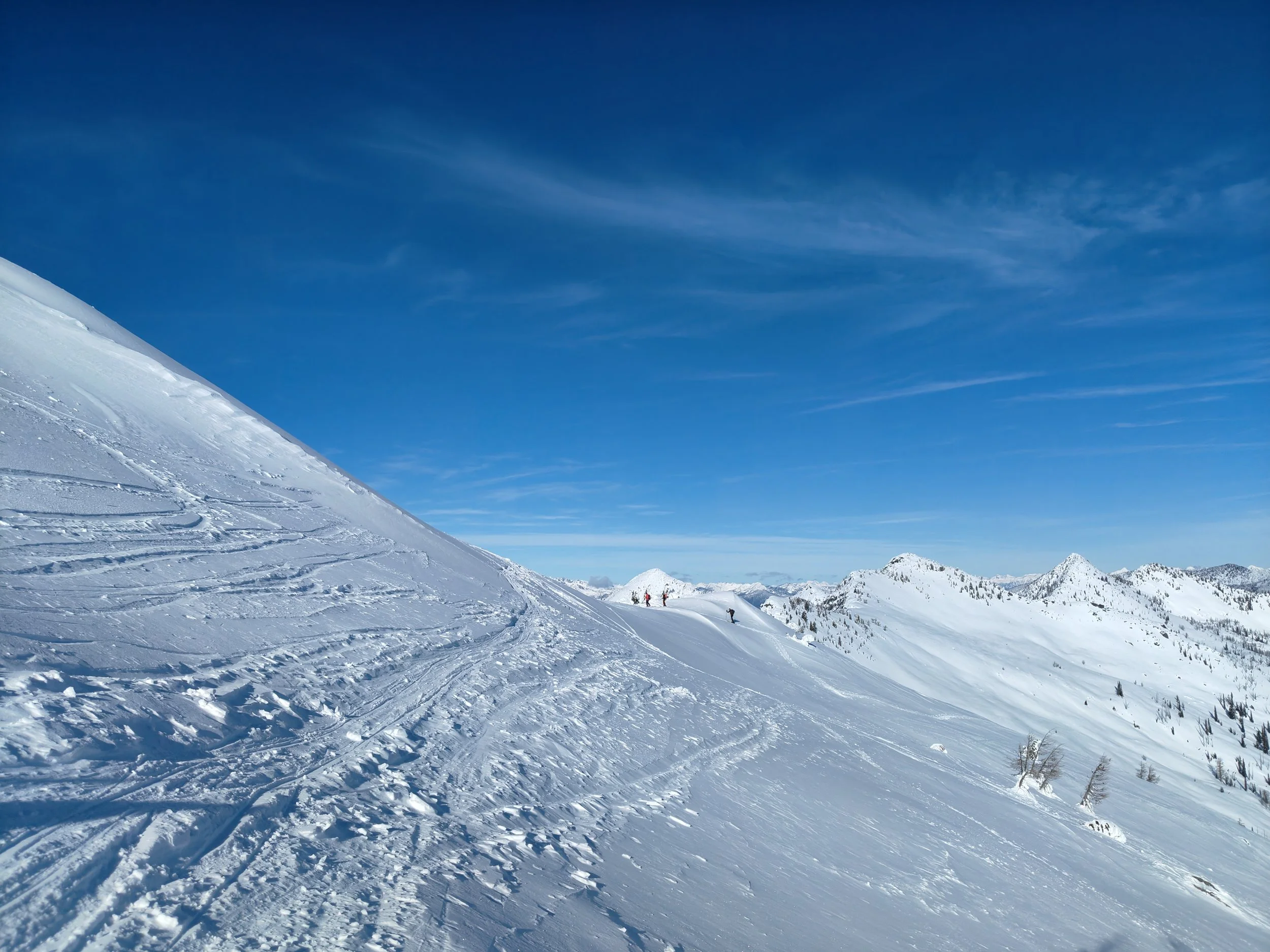
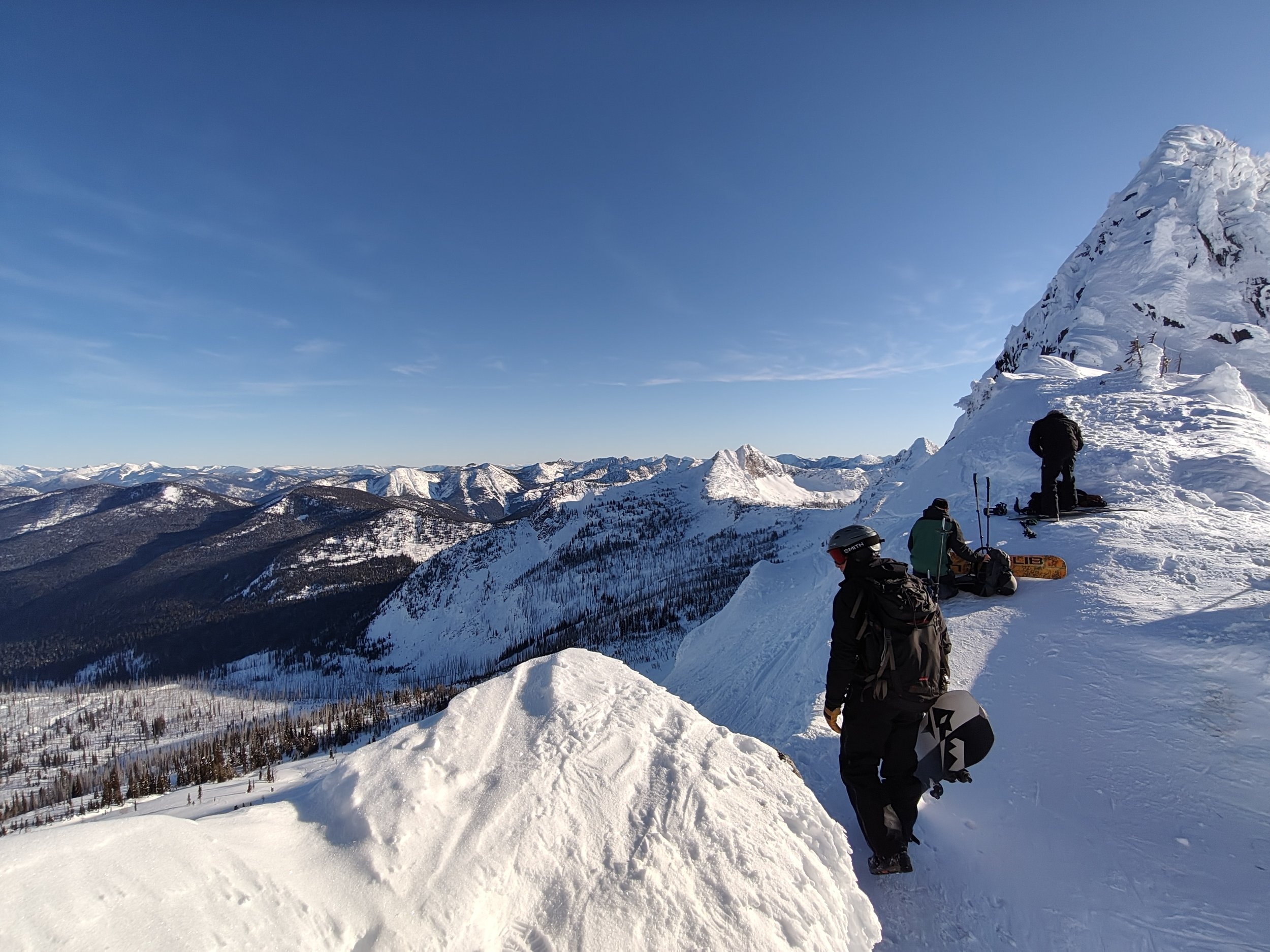
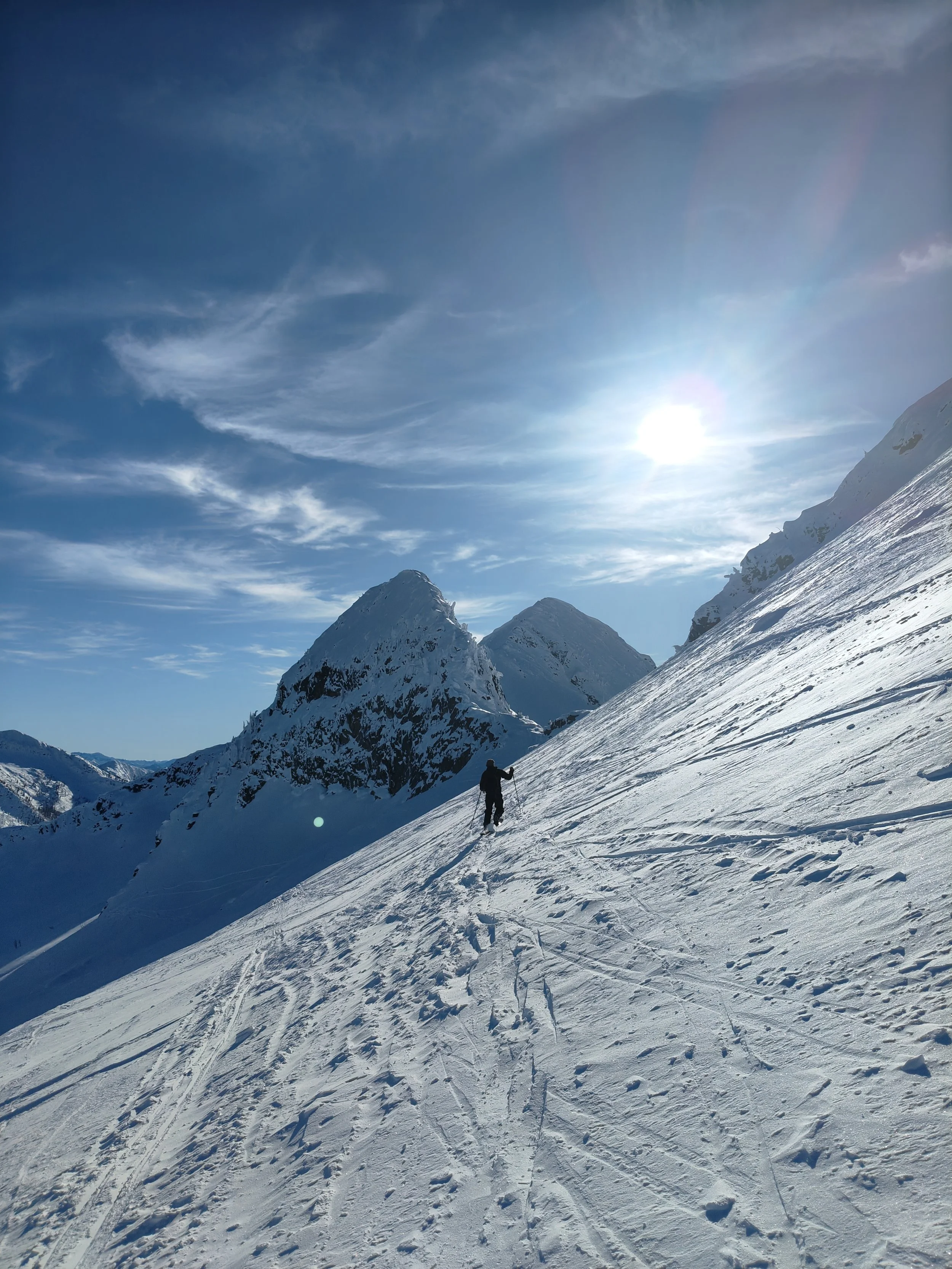
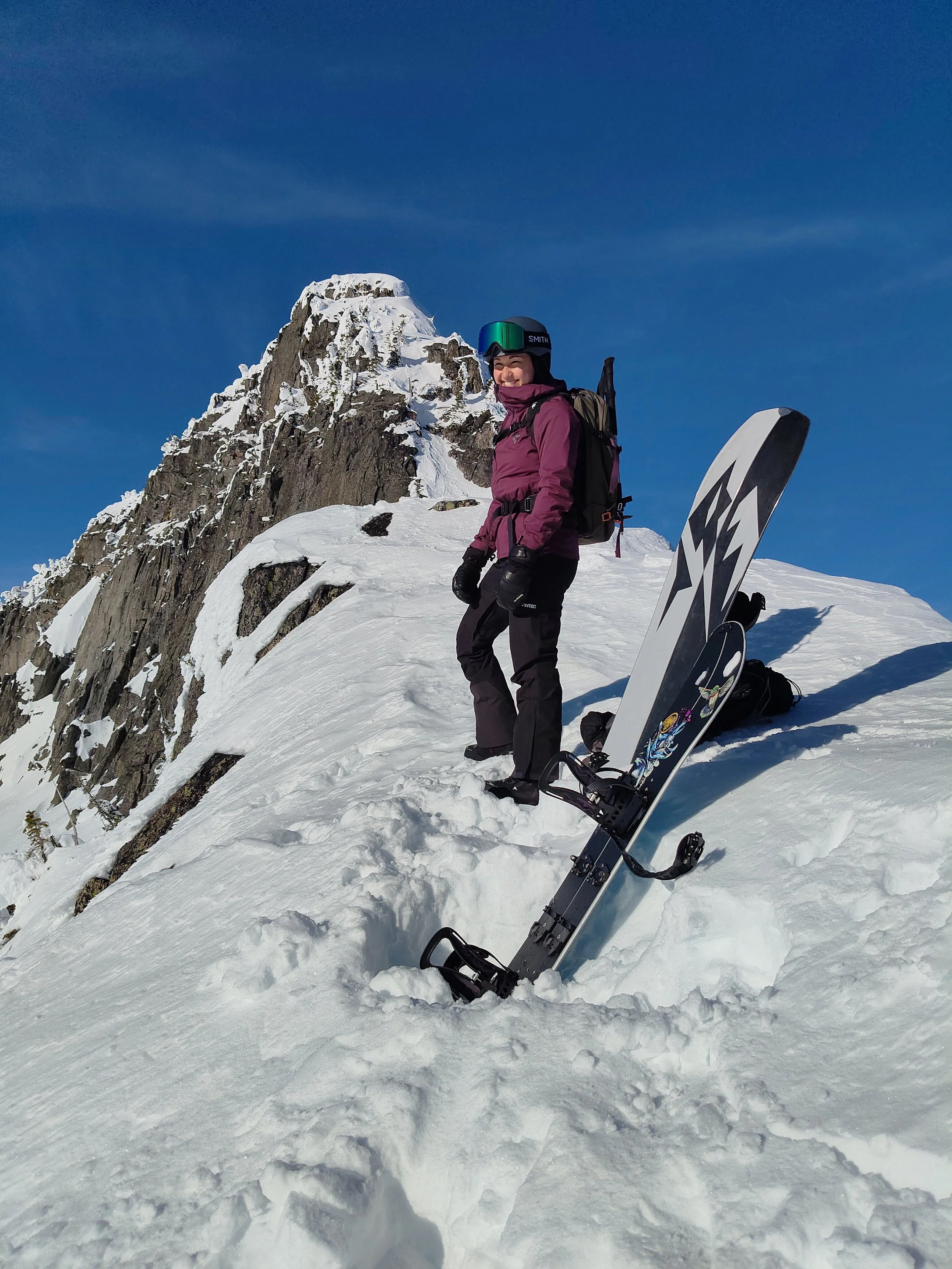
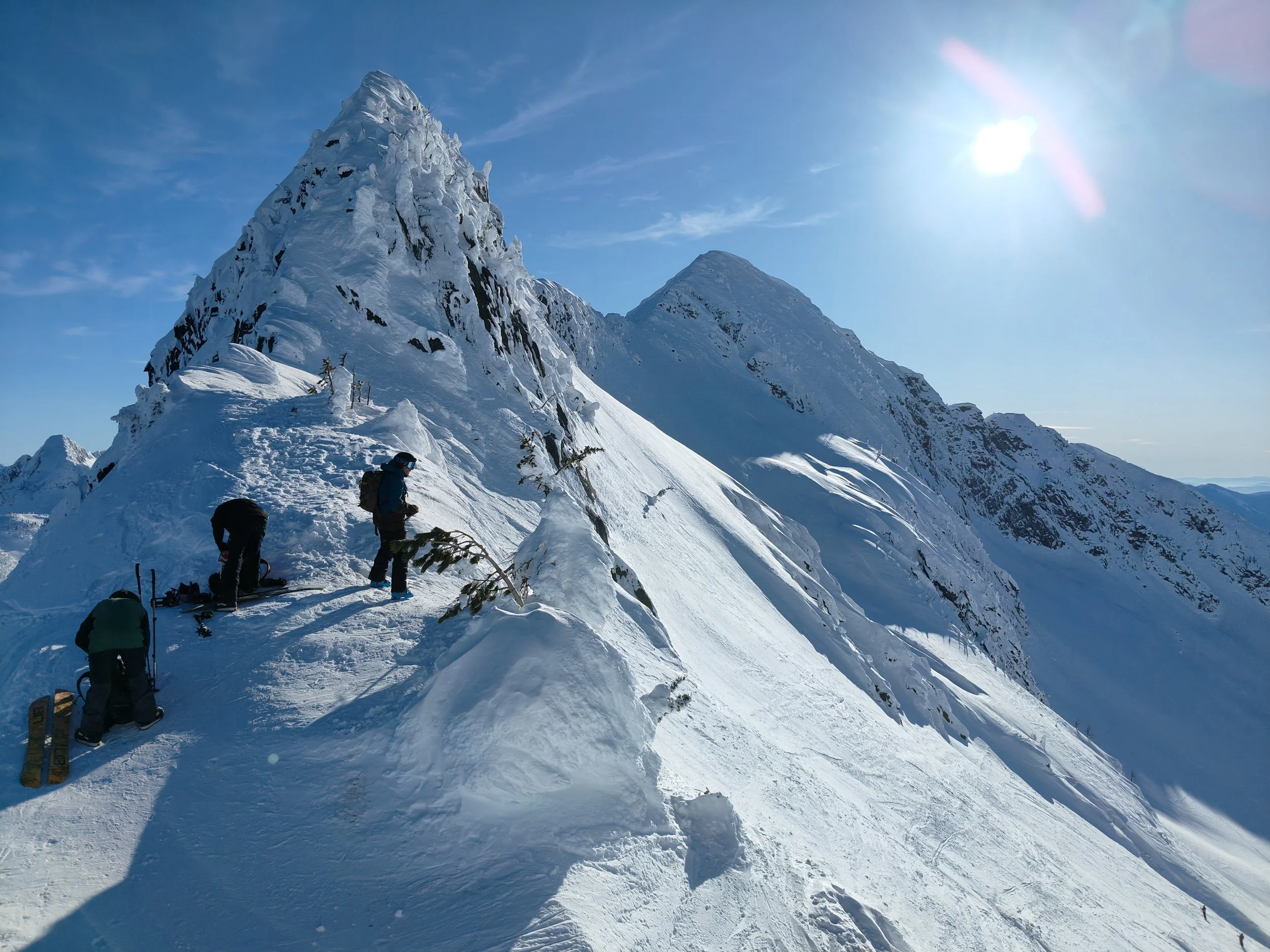
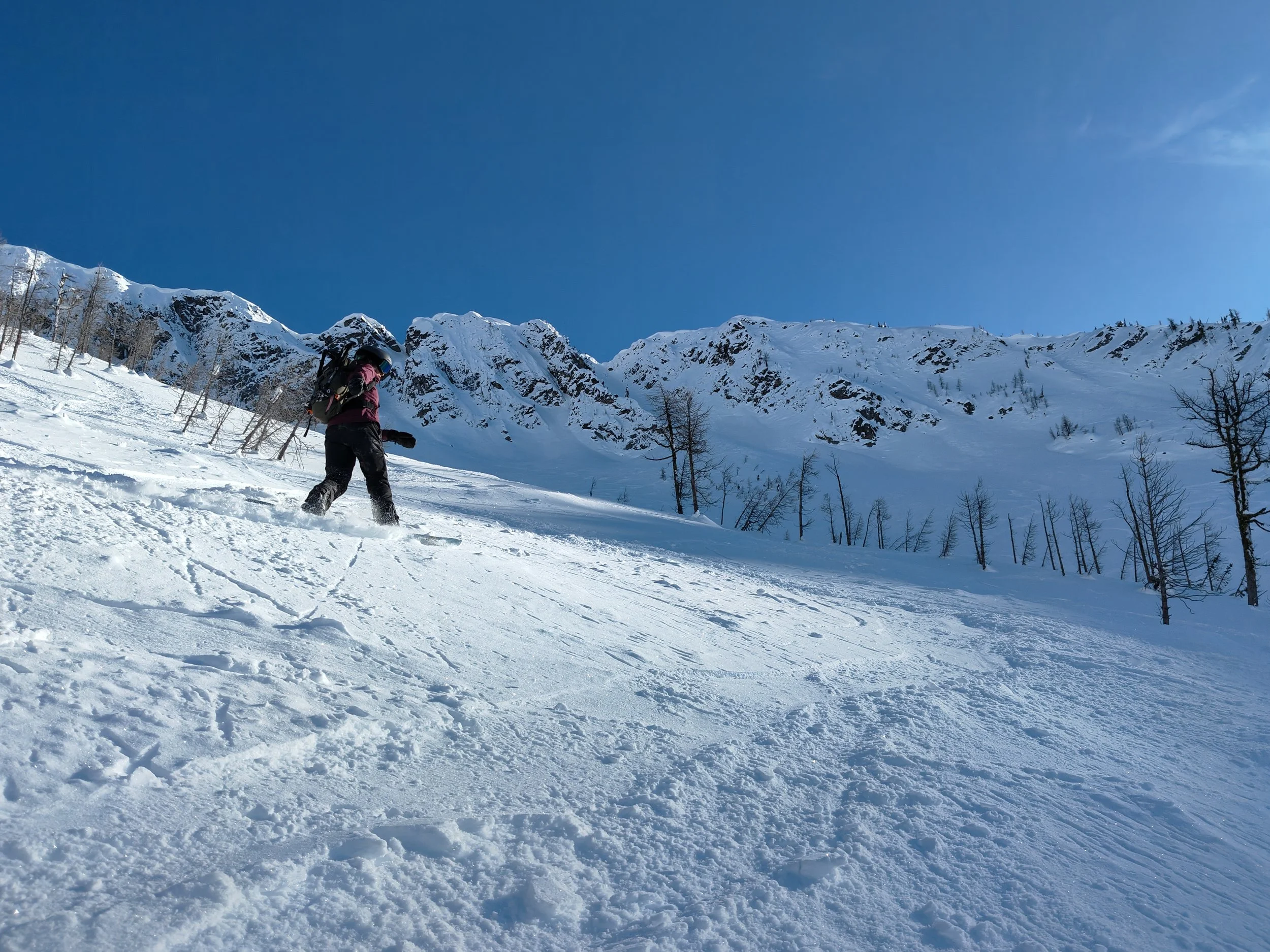
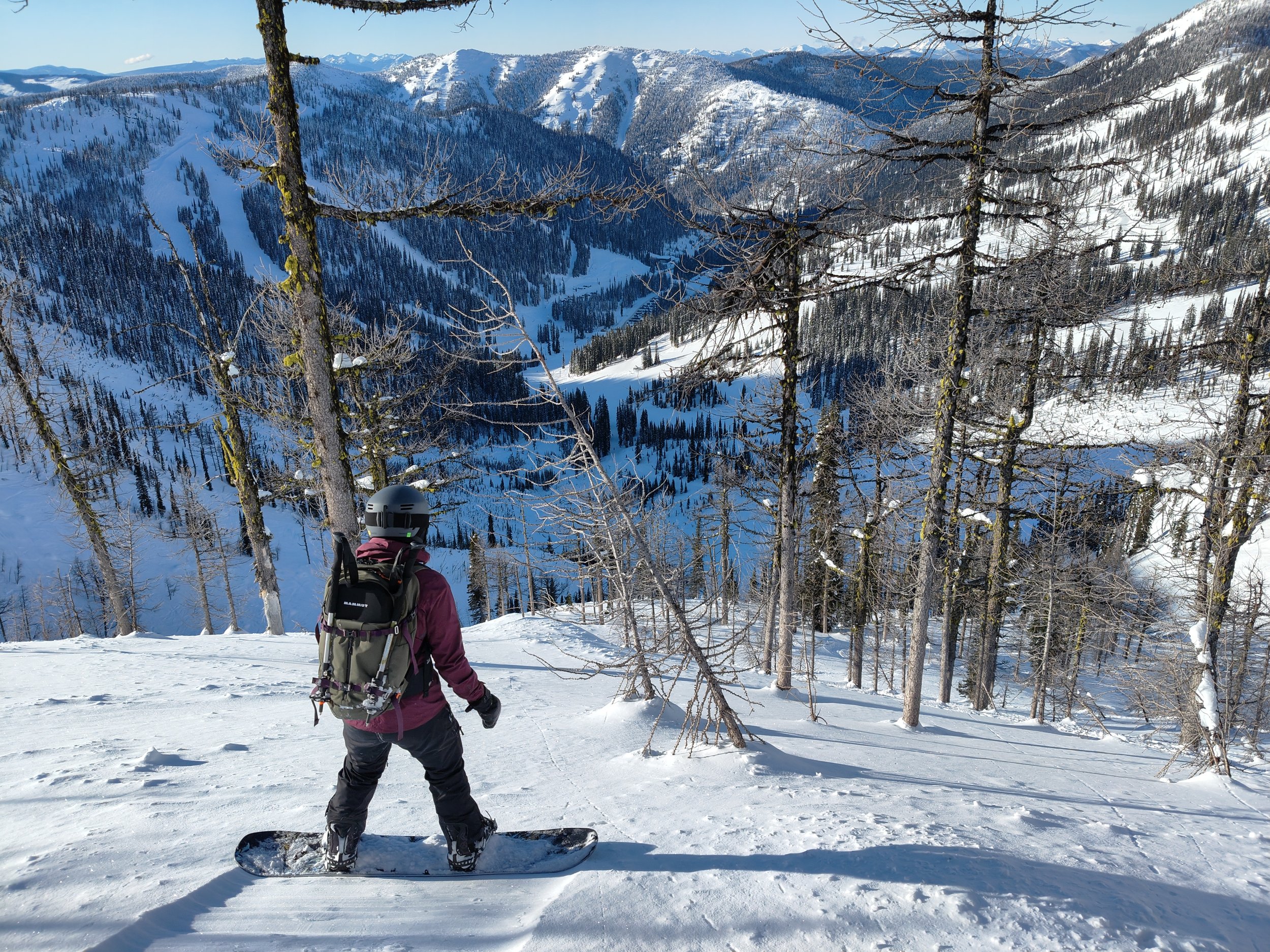
Images: Here are some related photos from a beautiful, bluebird day. My hubby and I went for a slack country ski tour up Half Dome. I’m so glad we got this ski in because it was my second last snowboard day. The next and last ride I did was at the resort, where at the end of the day, I blew out my knee. The memory of this perfect day will keep me motivated to get on my board again next season.
(I did get one small ski tour in November 2025 before this season started, it was tough and not optimal conditions - but it was good to get on the board and stay familiar since I won’t be snowboarding this season)